

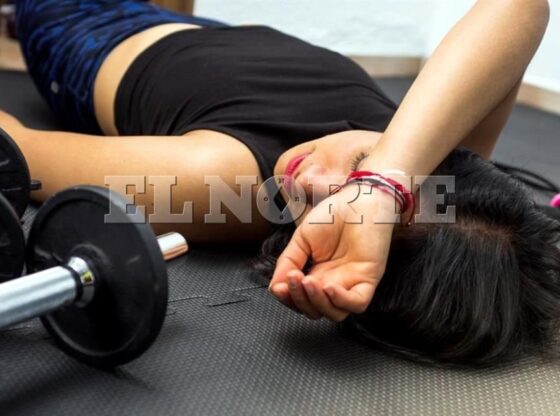

Although dysautonomia sounds strange, it is not. 70 million people in the world face it, a number that skyrocketed with the Covid-19 pandemic.
But it is invisible, said pediatric cardiologist Jaime García, who consults Valeria. Its different symptoms can be confused with other conditions and make it difficult to reach a diagnosis.
Therefore, in a global initiative to talk about it, this month – which coincides with climate changes that affect patients – is dedicated to raising awareness about dysautonomia.
“If I stand up too quickly, I can get dizzy,” exemplified the pediatric cardiologist, “but the body detects that there is a lack of cerebral flow, it can self-regulate with contractions of the blood vessels so that more blood reaches the heart and brain. However, when we have dysautonomia, this response does not arrive.”
In the Facebook group Pediatric Dysautonomia in Monterrey, the question “How have you felt with this muggy weather”, published in these rainy days, generated matching responses among mothers: dizziness, shortness of breath, fatigue, headache, chest pain…
“These are fatal days,” said one member.
Valeria’s first fainting four months ago was followed by severe headaches, dizziness, cold sweats and a lot of fatigue. Other symptoms may include nausea, low blood pressure, tachycardia, and digestive problems.
After several laboratory tests that indicated that everything was fine, Adrián Alan recalled, confirmation came with a test called “tilt table,” which evaluates how the patient’s blood pressure and heart rate respond to changes in body position, from horizontal to inclined.
In Mexico there is no official record of the number of dysautonomia cases, but the figure could reach 4 million. In the United States it is estimated that there are 16 million.
Pediatric cardiologist García explained that during the pandemic cases shot up 900 percent, because the virus – and also the vaccine, as a side effect – attacked the autonomic nervous system.
“Personally, I saw one or two cases every month or every two months. During the pandemic there were nine to 10 cases per day,” said the specialist.
He currently consults about five cases a day.
“It is not a fatal disease,” García clarified, “but it can be disabling in many patients.
“Many people go their lives without a diagnosis. The severity of dysautonomia varies greatly from patient to patient. A person can have very mild, temporary symptoms, and nothing happens. And there are patients who can become bedridden.”
It occurs mainly in women, with peak ages ranging from 5 to 15 years and from 30 to 40. Genetic load and some diseases can be a prelude to its development, such as immunological and rheumatological diseases, Parkinson’s or infections as occurred with Covid-19.
In addition to a couple of drugs currently approved to control this condition, lifestyle adjustments are mainly made, such as drinking water and electrolytes, since sodium increases the polarity of blood vessels, allowing blood to return to circulation, improving blood pressure and increasing circulatory flow.
At 12 years old and in just a few months, Valeria handles her diagnosis with maturity.
“Obviously it does scare you because you have a crisis and I don’t know if I’m going to faint or not, or what’s wrong with me or why I feel like this,” he told EL NORTE.
At her school, the Edinburgh Institute, in San Nicolás, she and her parents have received all the support to study remotely when necessary. They also distributed a brochure so that teachers and classmates know what is happening to him and how to help him.
“When I have these symptoms (headache), please grab me quickly and help me lie down slowly on the floor to avoid a fall, wherever I am, no matter the place,” reads the pamphlet validated by the cardiologist.
One of the recommendations for Valeria has been physical exercise, so on days when she has the strength to do so, she will continue with jazz.
“You get used to it little by little, that is, you accept it over time,” he says, “you have to smile and learn.”
– Difficulty standing.
– Fatigue.
– Dizziness.
– Nausea and other gastrointestinal symptoms.
– Mental confusion.
– Palpitations or chest discomfort.
– Difficulty breathing.
Fuente: thedysautonomiaproject.org
The recommendation is to go to a cardiologist or a neurologist specialized in dysautonomia.