

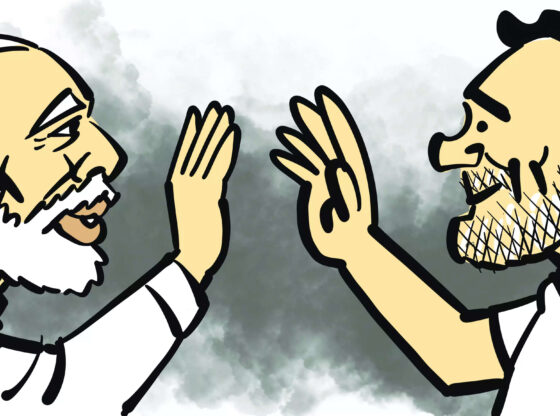

Whether these discussions achieved anything or not can still be argued, but the most positive aspect of the whole process was that the House functioned and no voice was throttled. At least, no Opposition member complained as such. If there was any complaint, it was from a government minister. The Opposition can also take satisfaction in the government agreeing to its proposal — a rarest of rare instance — to hold a discussion on air pollution, and that too without any pre-conditions.
When the winter session began, the prime minister had quipped “aap bhi mausam ka maza lijiye (you, too, enjoy the weather)” but since the air has turned hazardous, it’s not possible to take delight in it. Legislators must decide what people should get — mausam ka maza or mausam ka saza (punishment).
The message from the House for parliamentarians of the Opposition parties is unambiguous — debates are much more powerful weapons than disruptions, and arguments make a lasting impact. While disorder or interruptions can make temporary impressions, the larger picture and purpose is never served with such actions. Disruptions and washouts are like twominute noodles which may give instant gratification, but in the long term it may lead to political blockages. So, it’s better to debate and discuss than disrupt and disturb.