


Four sick with the New World fly plague and six with “unspecified” myiasis
So far in 2025, Yucatán accumulates 10 people diagnosed with myiasis: six of the “unspecified” type and four for the cattle screwwormas is known fly larvae Cochliomyia hominivorax or new world flyinforms the Ministry of Health (SSA) from Mexico.
Fourth case of cattle screwworm in Yucatán: a woman hospitalized

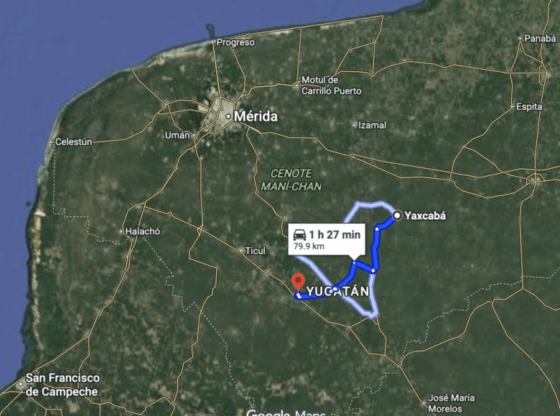
The most recent case of myiasis is a woman from Yaxcabáwho became the fourth person infested by fly worms Cochliomyia hominivorax in Yucatan in the week 43 (October 10-25) 2025reports the SSA in your Epidemiological Bulletin.
With this fourth case, Yucatán is now the second state with the most people with cattle screwwormafter Chiapaswhich accumulates 64 cases. In the third national place is Campechewith three, and in the fourth and last place, Tabascowith a case.
The new Yucatecan case is a 36 year old woman what resides in Yaxcabá and traveled about 80 km to the southern municipality of Tekaxwhere he consulted and stayed hospitalized why cattle screwworm infested his right arm; He also suffers from epilepsydetails the SSA in its report of new cases of myiasis Cochliomyia hominivorax in Mexico in the S43.
She is the the only person from Yucatán hospitalized for myiasis caused by the new world flybichera or gusanera.
Two patients already discharged
Furthermore it is the second wife of Yucatán with this disease. The first is a Buctzotz neighborlivestock municipality of the Oriente, 49 years old and with neoplasia, to whom they already gave discharge due to improvement after being treated in Merida of trunk myiasis.
They also already gave him the discharge due to improvement still 47 year old man who suffers from Darier’s disease (a rare inherited genetic disorder characterized by skin lesions), lives in Progreso and in Merida they attended to him because screwworms infested his head and neck.
Who is still not cured is the first human case of myiasis due to the cattle screwworm in Yucatándetected in August 2025: and 66-year-old Tabasco native who resides in Izamal and had recent surgery on his skull. He continues in outpatient treatment (in his house) because screwworms infected his head and neck.
Six people with “unspecified” myiasis in Yucatán
In addition to these four cases, the SSA informs that in Yucatán to six people (five men and one woman) have already been diagnosed “unspecified” myiasis from January 1 to October 25, 2025.
Unlike cases of myiasis due to Cochliomyia hominivoraxthe SSA does not issue a report with more data on patients with “unspecified” myiasis.
the word miasis comes from Greek mya (fly) e the (disease). According to the International Classification of Diseases (ICD)of the Pan American Health Organization (PAHO)the miasis is a fly larvae infestation.
The CIE identifies eight types of myiasis: cutaneous or progressive, in wounds or traumatic, ocular, nose, ear, genitourinary, intestinal and unspecified (in another part of the body).


In Mexico, according to the National Agri-Food Health, Safety and Quality Service (Senasica)two species of flies are present that cause miasis in warm-blooded animals, including humans: the new world fly (Cochliomyia hominivorax) and the old world fly (Chrysomya bezziana).
Mexico, with 237 cases of myiasis or screwworm infestation
At the national level, from January 1 to October 25, 2025, at 237 people have already had myiasis confirmed: 72 by the cattle screwworm and 165 of the “not specified”.
Only in the S43 (October 10-25) were confirmed five cases of myiasis caused by the bichera fly (four in Chiapas and one in Yucatán) and seven of “unspecified” myiasis (four in Chiapas, two in Baja California and one in Colima).
Regionally, The Yucatan Peninsula accumulates 21 cases of myiasis: seven for cattle screwworm (four Yucatecans and three Campechanos) and 14 “not specified”: five men and two women from Campeche; a man from Quintana Roo and five men and a woman from Yucatán.
How to prevent myiasis
Las measures to prevent myiasisaccording to the SSAare to reinforce cleanliness in homes and workplaces, as well as personal cleanliness and monitor and cover skin lesions.
The authorities also rThey recommend frequently checking animals for lesions or worm infestation. and, if confirmed, report it to the Senasica on the phone 800-751-2100 o al WhatsApp 55-3996-4462so that they are given timely treatment and the expansion of the new world fly is contained.
In his case, the Senasica It also recommends that when removing the worms, they should be placed in a closed container and prevent them from falling to the ground, so that the fly’s reproductive cycle is not completed.