


Published On 10/12/2025
|
Last update: 17:20 (Mecca time)
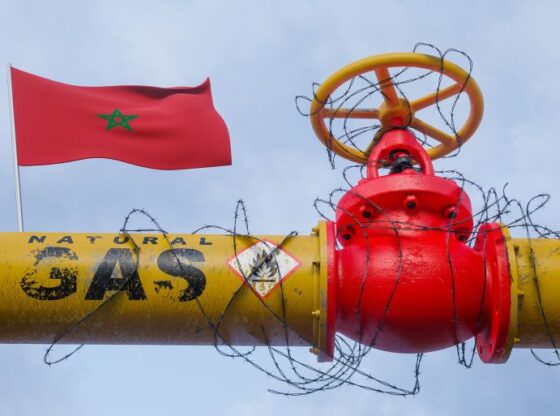
Morocco is entering a new phase of restructuring the national energy mix, with a government move to establish a terminal to import liquefied natural gas worth approximately one billion dollars, in a move that strengthens its ability to face fluctuations in the global energy market.
According to a Bloomberg report, these projects place the Kingdom on a strategic path aimed at supporting export-oriented industries and improving competitiveness through less expensive energy and less carbon emissions.
Ambitious plan
The Moroccan government issued a tender to provide a floating storage and liquefaction unit to be moored in a new port on the Mediterranean coast, the port of Nador, with the port to begin operating next year.
A selection process is also underway for companies that will build, finance, and operate a pipeline network linking the port to major industrial areas in the country, to deliver gas to production and consumption centers.
From 1.2 to 12 billion cubic meters annually
Morocco’s plan aims to double gas consumption from about 1.2 billion cubic meters annually to 12 billion cubic meters by 2030.
Investments include building conversion facilities for gas-fired power plants, with the aim of replacing more polluting fossil fuels such as coal or fuel oil in industrial sectors and power plants.
The Ministry of Energy Transition and Sustainable Development estimated the cost of the floating storage unit at approximately $273 million, while the connection pipelines require investments of approximately $681 million.
An introduction to a cleaner economy
The project aims not only to provide cleaner gas, but also to pave the way towards a low-emission economy, as Morocco plans, within its 2050 vision, to expand its capabilities in solar and wind energy, in addition to battery storage.
The new gas network will also be part of a multi-use infrastructure, available in the future to transport green hydrogen within Morocco or to export it abroad, which will enhance energy flexibility and sustainability.

What does this trend reflect?
This project – according to Bloomberg – indicates a radical shift in Morocco’s energy strategy, from relying on limited imports of gas or fossil fuels to building a strong and integrated energy infrastructure, relying on natural gas as a temporary and cleaner source, while preparing the ground for renewable energy in the long term.
Such a step also gives Morocco energy independence and industrial security, especially in light of international fluctuations in energy markets.
On the environmental level, switching to liquefied gas as an industrial fuel and generating station reduces carbon emissions and paves the way for a real expansion in clean energies.