
Visits
Locals with decades of history have been displaced by franchises and tourist activities, the loss of neighborhood identity will continue if there is no regulation
Ana E. Rosete
The accelerated increase in commercial rents in Mexico City has caused the closure of historic businessesmainly in central areas where the gentrification and real estate speculation have raised rental costs to levels unattainable for traditional businesses.
In the Historic Center, emblematic establishments such as Corona Roomfounded in 1928, closed several branches in recent years due to rising rent prices. Another case is The Pialadero of Guadalajaraa restaurant opened in 1936, which stopped operating in 2018 due to increased costs following urban remodeling works.
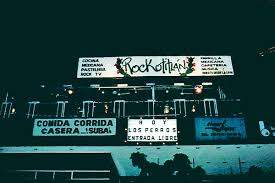
Added to these closures are the original headquarters of the Mermaid House, which concluded a stage in 2020, and the iconic It’s a rock titlefounded in 1985 in Coyoacán, which closed in 2019. The increase in rent and change in vocation of the area forced the definitive departure of the premises, whose property changed its commercial purpose.
In San Cosme, The Rivierawith more than 110 years of history, lowered the curtain in 2020, unable to sustain the increase in income.
Gentrification also reached cultural spaces. He Alicia Cultural Centerfounded in 1995, closed its original headquarters in Roma Norte in 2020, displaced by the rising cost of commercial land. The project survived moving, but lost the space that identified it for more than two decades.
In municipalities such as Cuauhtémoc, Benito Juárez and Miguel Hidalgo, commercial rents have registered increases of between 30 and 100 percent in less than five years, with premises that exceed 80 thousand and up to 120 thousand pesos per month.
For urban planner Enrique Ortiz, a housing and city specialist, the phenomenon responds to a model that privileges profitability over community life.
“When the land is treated only as a business, local businesses are left out; they cannot compete against chains and franchises that can pay those rents,” he said.
In their place, he said, historic establishments are replaced by boutique cafes, franchises and tourist attractions, while the city loses businesses that gave identity to the neighborhoods. Ortiz warned that without regulation, the closure of traditional businesses will continue to accelerate, transforming the urban landscape and expelling those who can no longer pay the price to remain.