


This year, DART, Barcelona International Film and Art Festival, celebrates its ninth edition from December 10 to 14 in a new location: the Mooby Bosque Cine.
Among the titles in its programming are documentaries dedicated to essential figures such as the philosopher and thinker Simone de Beauvoir or the artist Mierle Laderman Ukeles, a pioneer in converting domestic tasks into artistic practice.
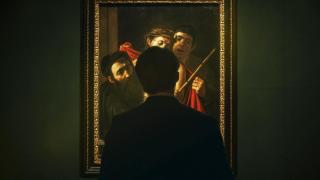
National productions also stand out such as Warhol-Vijande: More than guns, knives and crosseswhich reconstructs Andy Warhol’s visit to Madrid in 1983 organized by the gallery owner Fernando Vijande; God sees it (Oscar Tusquets), focused on the creative universe of Oscar Tusquets; Hundred flyinga journey through the thoughts and work of the sculptor Eduardo Chillida; either The Sleeper. The Lost Caravaggioa fascinating story about a painting that a Madrid family auctioned for 1,500 euros and an art dealer from Monaco even offered 20 million euros.
In this edition, the festival expands with Dart Lab, a space for parallel activities that includes a meeting linked to the Climate Biennial —whose first edition will be held in 2026 in Ávila—, or the premiere of Space 10 / Space 13. The radical riskdocumentary about the history of the Joan Miró Foundation.
Likewise, Casa Vicens will host the symposium on art, cinema and heritage, which will bring together international specialists to reflect on how contemporary cinema addresses cultural heritage.
In addition, DART joins forces with the In-Edit and Moritz Feed Dog film festivals to expand its borders.
With the first presents The Residents: Barking in the Dark, a title that revolves around the unclassifiable world of the musical band The Residents and with which the event closes; and Peter Hujar’s Day, in which we witness a conversation between the photographer and portrait painter and the writer Linda Rosenkrantz in a Manhattan apartment in 1974.
The full DART schedule, which this year includes 33 documentariesbroadens its gaze towards current topics such as artistic activism, climate awareness, architecture or the mysteries of the art market. We select four titles that arrive as premieres in 2025.
ASCO: Without Permission
Travis Gutierrez Senger
The film that opens the festival this December 10, directed by Travis Gutiérrez Senger, recovers the history of ASCO, the Chicano collective that in the 70s turned the streets of Los Angeles into its particular stage for artistic protest.
Founded by Harry Gamboa Jr., Gronk, Willow F. Herron III and Patssi Valdez, the group fused activism, performance and multimedia art to challenge established artistic models, Hollywood, museum and media norms.
Facing the socio-political context of the time, for decades it was relatively unknown although today ASCO is considered one of the most influential artistic groups of the 20th century.
This documentary combines fiction and non-fiction to build a tribute to his creative rebellion, his Latino identity, and his radical criticism of power structures.

Documental
Go Classic (The Black Pacifier)
Esteban Tempe, Tomas Ergasto
Xupet Negre, alias of Carles Redón (Barcelona, 1969), began to stand out in 1987 with its iconic drawing of the black pacifier, which soon became a symbol of urban identity and anti-racist resistance.
Directed by Esteban Tempe and Tomás Ergasto, Go Classic makes its world premiere within the framework of the festival.
In just 30 minutes, the film traces the career of an artist who began as a graffiti artist and poses a challenge: replace Botero del Raval’s cat with a monumental sculpture by Xupet Negre.
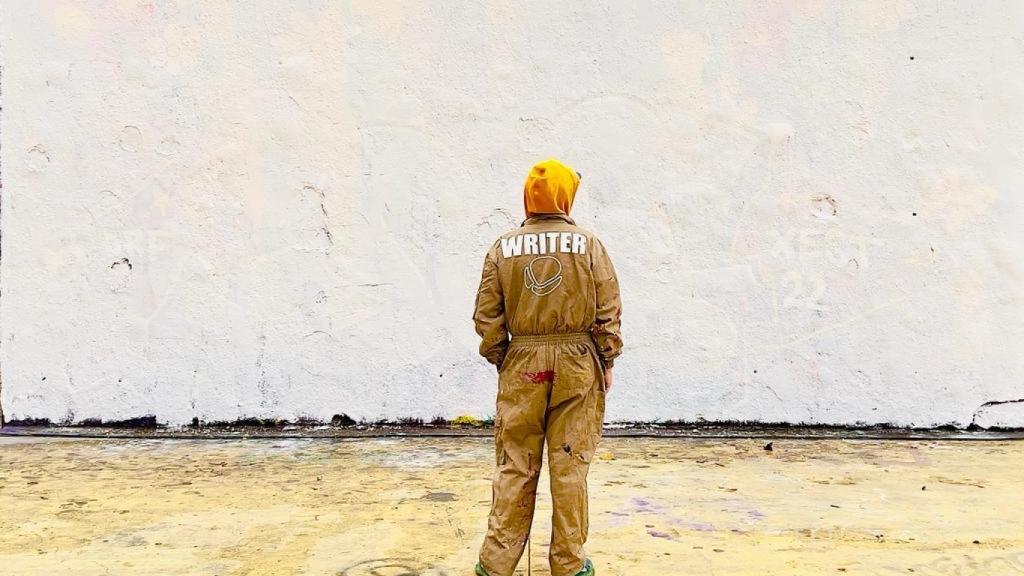
Photogram of the ‘Go Classic’ documentary.
“True graffiti is anti-everything, it is anti-system, it is vandalism, it is in your face, in your house, when you don’t want it because you want it,” says the artist.
This short film works as a reflection on the value of public artcollective memory and the symbolic transformation of a city that struggles to redefine itself between tradition and irreverence.
Climate art
Mathias Frick
Many artists address climate change from critical and committed perspectives. In the documentary Climate art, directed by Mathias Frick, artists such as Olafur Eliasson, Sebastião Salgado and Agnes Denes reflect on the place of art in times of climate emergency and the tensions between creativity, activism and sustainability.
Through journalist Leonie Sontheimer, the documentary draws connections between work, activism and sustainability.
With a short duration of 50 minutes, it offers a clear and critical look at the role of art as a space for action, imagination and collective hope.
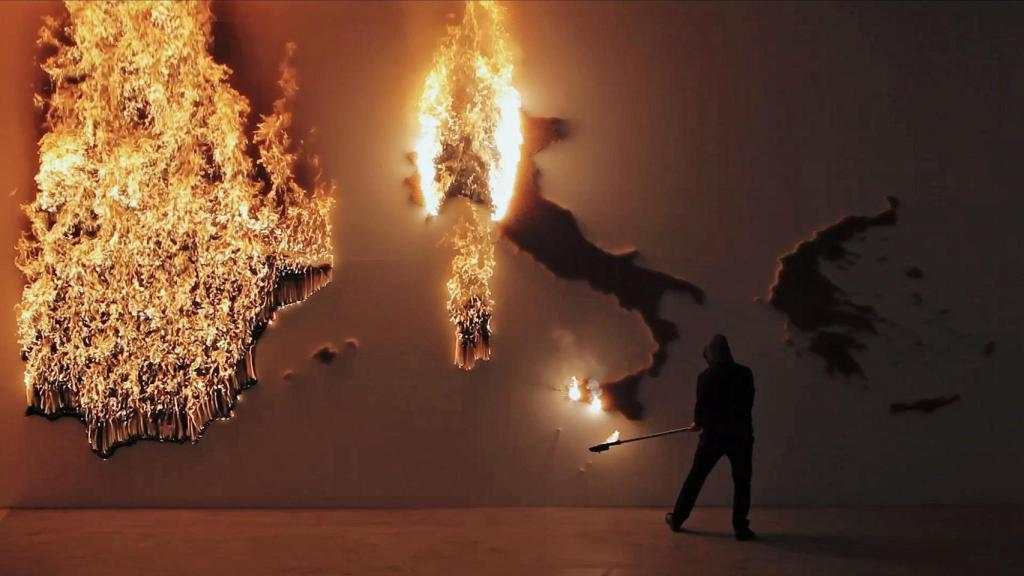
Still from ‘Climate Art’.
Minted
Nicholas Bruckman
The world of NFTs burst onto the art scene in 2021, when Beeple sold Everydays: The First 5000 Days (Every day: the first 5,000 days), a monumental collage of images 21,000 pixels high and as many wide, for 58 million euros, becoming a global phenomenon.
In Minteddirector Nicholas Bruckman delves into that digital art explosion through the eyes of several artists from the United States, Latin America and Africa.
From Beeple himself to emerging talents, Minted delves into the rapid rise of NFTs in 2021, when many young and emerging artists managed to get rich from the sale of their digital work, until their collapse in 2022.
Bruckner’s film provides a critical look at this phenomenon and reveals the dangers and possibilities of a volatile world while exploring human creativity, the value of art and the transformative power of technology.
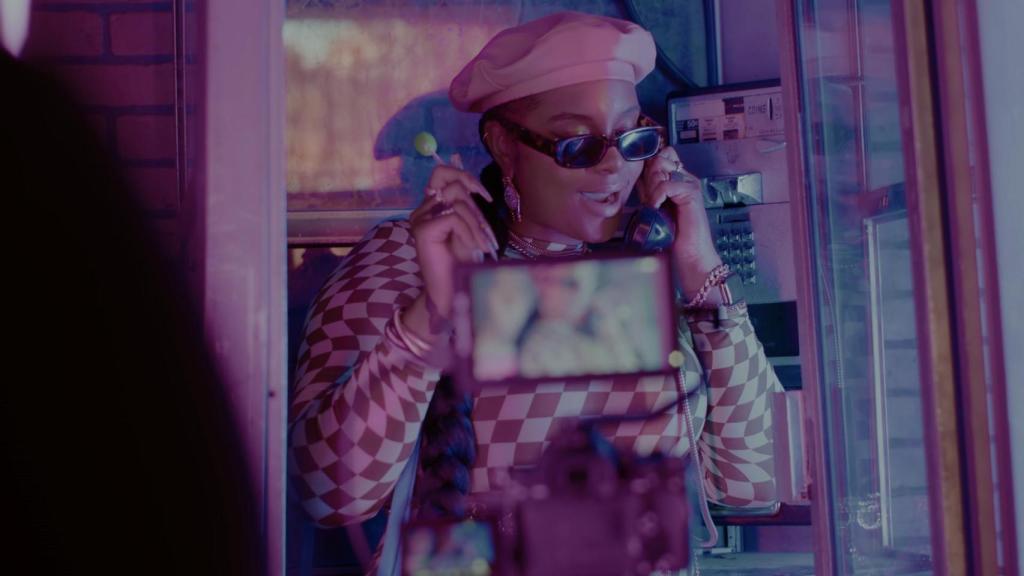
Still from ‘Minted’, by Nicholas Bruckman.