

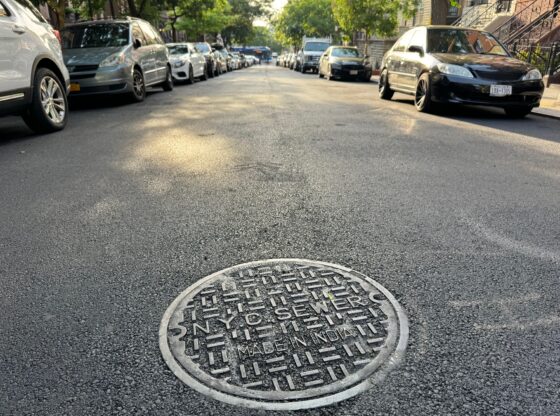

The evolution of the Jewel Streets Neighborhood Plan is more than a chronology: it is a history forged with patience, persistence and significant progress. For generations, residents of this neighborhood have faced challenges that no New Yorker should face, challenges that stand in stark contrast to the city around them. This fifteen-block area, on the border between East New York in Brooklyn and Lindenwood in Queens, is often described as “The Hole” because of its sunken streets and persistent flooding even after light rains. Without storm or sanitary sewers, residents experience unpleasant and dangerous conditions, such as impassable streets, flooding of their homes, septic tank leaks, mold growth, rat infestations, and illegal dumping sites. All of this has contributed to a sense of abandonment that has permeated the identity of an area that would otherwise be positioned to offer great promise for current and future residents.
That is why this Administration is working to stop that history and write a better future.
After two years of collaboration with residents and community organizations, the City announced a plan to transform Jewel Streets into a safer, more resilient neighborhood. This plan promises improvements to drainage and sewer infrastructure, new bus lanes, and road safety improvements along Linden Boulevard, in addition to laying the groundwork for thousands of new homes. While curbing illegal use and harmful activities near residential areas, these investments are designed to significantly improve quality of life.
Recognizing the urgency of the situation, management acted immediately, while long-term planning conversations were underway, to provide solutions where possible. We have already begun implementation of infrastructure and sewer improvements to mitigate flooding, with a $1 million investment to construct three new catch basins, city staff deployed to clear 267 illegally parked vehicles, remove 80 tons of debris from neighborhood streets, and issue 237 Department of Buildings tickets for illegal industrial activity. These efforts are paying off. Drainage at key intersections has improved dramatically, reducing from 60 days of standing water to just two.
For the broader planning effort, the New York City Department of Housing Preservation and Development (HPD), in collaboration with the New York City Department of Environmental Protection (DEP), will install a new comprehensive drainage system to eliminate the use of septic tanks on Jewel Streets and protect the neighborhood from flooding. The drainage plan includes a stormwater and sanitary pumping station, to be built on municipal land, and a storm sewer network to direct rainwater to new “bluebelts,” natural sources that store and filter rainwater. The bluebelts will also be publicly accessible with gardens and open spaces. The infrastructure plan also crucially includes new sanitary sewers throughout the neighborhood, thus eliminating reliance on septic systems. Additionally, as part of the neighborhood plan, the City is working on updating the zoning framework that will create greater balance in the area and help transform 17 acres of city land into 1,400 new homes, as well as advancing an area-wide proposal that will allow the construction of another 3,600 homes.
It is important to recognize that none of these achievements would have been possible without the resilience of the community and the unwavering dedication of organizations like the East New York Community Land Trust (among others), which have been clamoring for the City’s attention for decades. Thanks to your persistence, the plan to transform Jewel Streets has become a reality. As the Administration acknowledges, on February 16, 2022, 60 Jewel Streets residents and stakeholders sent a letter to multiple City agencies demanding a long-awaited investment in their neighborhood and initiating a multi-year collaboration between community stakeholders, City agencies, and policymakers to strengthen the neighborhood. The City acted, and now we are moving forward to bring justice to Jewel Streets.
Another pillar of the plan is Resilient Acquisitions, the city’s new voluntary home ownership program for New Yorkers interested in selling their high-risk flood homes and moving to less flood-prone areas. Jewel Street residents will also have the option to retrofit their homes to make them more flood-resistant.
As we reflect on the many obstacles we have faced, whether bureaucratic, financial, or the need to set the right priorities, our work to this point is littered with reminders that this community lived with an unsolvable problem for too long. It was the constant struggle of the people who call Jewel Streets their home, combined with a renewed commitment from their government to finally prioritize them, that allowed them to find a way forward. Thanks to that collaboration, the foundations for lasting change have been laid. I see the transformation of this land and the lives of its residents as a powerful testament to the importance of government connecting with communities and understanding their realities.
This is, at its core, the true challenge and purpose of public service, and it is why smart planning, responsible investment and collaborative engagement must remain our north stars to achieve results that last.
Ahmed Tigani is the acting commissioner of the New York City Department of Preservation and Development -HPD-