

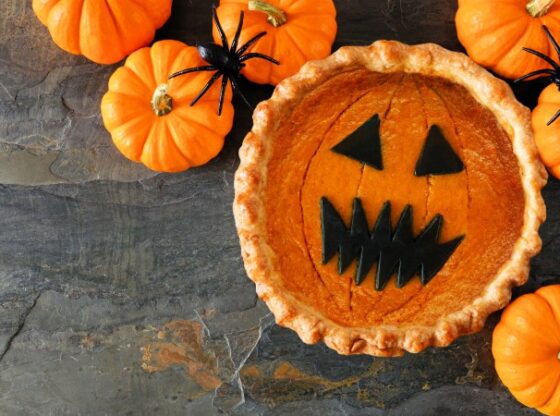

When Halloween night ends, Millions of carved pumpkins end up in landfills from all over the United States. But these orange symbols of autumn They can have a much more useful second life. From turning them into compost to transforming them into desserts or animal feed, there are many ways to use them without generating more waste.
“A large percentage of what ends up in the landfill is organic matter that we could have composted,” explained Dante Sclafani, compost coordinator for the Queens County Farm Museum in New York.
Compost to take care of the planet
According to the Environmental Protection Agency (EPA), More than 30% of the waste that reaches landfills is food scraps or organic materials. When they decompose without oxygen, These wastes release methane, a powerful greenhouse gas that contributes to climate change. Composting pumpkins helps reduce these emissions and returns nutrients to the soil.
To prepare the pumpkins for compost, lExperts recommend removing the decorations, cutting the peel and pulp into small pieces and mixing them with dry leaves, cardboard or sawdust. This balance between “green” (nitrogen-rich) and “brown” (carbon-rich) materials accelerates decomposition. In a few weeks, it becomes a natural and fertile fertilizer, ideal for gardens or pots.
“Young children want to help and feel empowered to be contributing to something important. That’s why when we talk about composting with school-aged children, we tell them that they are helping the environment because they really are. And every little contribution counts,” added Laura Graney, director of education at the Queens County Farm Museum.
Beyond compost: other ways to reuse pumpkins
Not everything has to go into the compost. If the pumpkin is not rotten or covered in paint, it can be transformed into a seasonal ingredient. The cooked pulp is perfect for preparing soups, breads, cakes or purees, while the seeds can be roasted and seasoned as a healthy snack full of fiber, zinc and antioxidants.
Another option is to donate them to local farms or animal shelters. Many farmers accept clean pumpkins to feed pigs, goats or chickens. Some cities even host “Pumpkin Drop-Offs,” collection points where residents can bring their pumpkins for community composting or animal feeding.
If you prefer to maintain the decorative spirit of autumn, Pumpkins can become natural centerpieces, pots for succulent plants or even bird feeders. Simply empty the interior, fill it with seeds or soil and place it in the garden or balcony. These ideas prolong their use while serving as shelter or food for local fauna.
Avoiding waste starts at home
Before carving a pumpkin for Halloween, it’s a good idea to plan its final destination. Choosing local specimens or from agricultural markets reduces the transportation footprint, and using their pulp before decorating it reduces waste. Additionally, using reusable LED candles instead of traditional candles avoids waste and fire risks.
“If we think about the entire lifespan of the pumpkin, from the field to the kitchen to the garden, we can turn a seasonal tradition into a positive environmental action,” Sclafani said. “Composting or reusing is a simple way to teach sustainability at home.”
A simple gesture with lasting impact
In New York and other cities across the country, municipal composting programs are growing, and pumpkins are one of the best opportunities of the year for households to participate. Even a single pumpkin diverted from the landfill can make a difference.
Whether you cook it, share it, or compost it, your pumpkin can continue to give life long after the ghosts and candy.
Keep reading:
* Halloween, New York’s most famous parade calls for “sharing” in 2025: streets closed and weather
* The 10 safest cities for trick-or-treating on Halloween 2025
* The best 5 pumpkin patches that you can visit this season with your family