



More than 80 percent of patients with tumors of the oral cavity, larynx and pharynx are smokers or have been heavy smokers, according to specialists from the Spanish Society of Otorhinolaryngology and Head and Neck Surgery.
MADRID, Dec. 9 (EUROPA PRESS).- The Spanish Society of Otorhinolaryngology and Head and Neck Surgery (SEORL-CCC) has alerted teenagers y youths of the relationship between the consumption of alcohol and new forms of tobacco and increased risk of suffering head and neck cancera disease that currently affects mainly people over 50 years of age but that could change its profile in the coming decades as a consequence of these consumption patterns.
Within the framework of National Head and Neck Cancer Daywhich is celebrated this Wednesday, the SEORL-CCC has pointed to the scientific evidence around the relationship between exposure to tobacco and new derived products, such as electronic cigarettes or the pipesthe consumption of alcohol and the risk of head and neck cancer.
A high-quality meta-analysis included in the documentation of the World Health Organization (WHO) Framework Convention on Tobacco Control shows that hookah tobacco consumption triples the risk of head and neck cancer. Likewise, reviews published in Tobacco Control confirm a positive relationship between hookah use and increased cancer risk, and highlight the need for specific regulatory policies due to the accelerated growth of this habit.

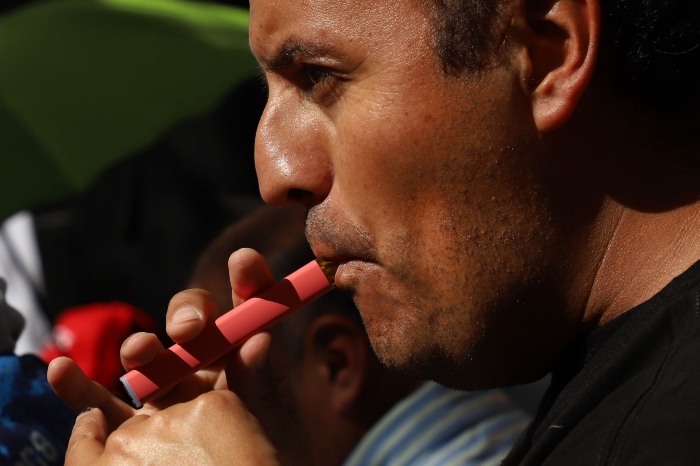
Regarding vaping, although there are still no long series that allow measuring its direct impact on these tumors, the Ministry of Health concludes in its Report on Electronic Cigarettes that they are not safe, that they contain potentially toxic substances and that they function as a prelude to smoking among young people.
For its part, alcohol acts as a direct carcinogen, but also as a facilitator, as it increases the permeability of the mucous membranes, favors the penetration of toxins derived from tobacco and new nicotine products, enhances chronic inflammation and reduces DNA repair mechanisms. Its combination with tobacco or related products multiplies between 10 and 20 times the probability of developing these tumors.
Specialists have warned of the risk scenario drawn by the combined impact of these factors, taking into account that more than 80 percent of patients with tumors of the oral cavity, larynx and pharynx are smokers or have been heavy smokers, which reinforces the importance of controlling smoking in all its forms.

Consumption in adolescents and young people
Although official data from the Ministry of Health show that there is a downward trend in traditional tobacco consumption among adolescents, otorhinolaryngologists have pointed out that this decline is being partially offset by new forms of smoking.
In this sense, 49.5 percent of adolescents between 14 and 18 years old acknowledge that they have ever used electronic cigarettes. Additionally, 19 percent of the population aged 15 to 64 claims to have tried vaping, with a significant percentage concentrated in the 15 to 24 age group; and 49.5 percent of students admit to having used hookahs, 44.8 percent in the last year.
Faced with these new models, conventional smoking continues to decline, but it has not disappeared. According to ESTUDES 2025, 27.3 percent of students aged 14 to 18 have smoked tobacco at some time and 15.5 percent have done so in the last 30 days.

In parallel, alcohol consumption among young people, although showing some signs of decline, remains at very high levels. 71 percent of students have consumed alcohol in the last year and 24.7 percent have practiced intensive consumption in the last month, according to the same survey.
Based on this presentation, SEORL-CCC experts have identified that the current pattern, which involves the early consumption of alcohol, electronic cigarettes and hookah, forms a breeding ground that could increase the prevalence and advance the appearance of tumors traditionally linked to older ages, such as head and neck cancer.
For this reason, the scientific society has urged the implementation of measures to regulate the consumption of new tobacco products, actions contemplated in the draft of the new anti-smoking law, whose approval is still pending. Likewise, it has highlighted the need to reinforce and adequately equip smoking cessation units, which play an essential role in addressing dependence and preventing future cases.
Finally, he recalled that the otorhinolaryngologist, head and neck surgeon, is the reference specialist for the detection, biopsy, staging, surgical treatment and functional rehabilitation of these tumors, and that complex cases must be addressed in specialized multidisciplinary units within the National Health System (SNS).