


Published On 5/11/2025
|
Last update: 14:36 (Mecca time)
The humanitarian suffering of displaced Sudanese people is worsening, as they flock from the city of El Fasher, the capital of North Darfur State, towards areas far from the control of the Rapid Support Forces.
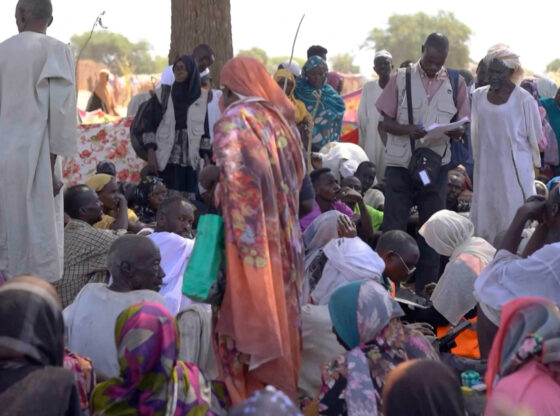
The General Coordination for Displaced Persons and Refugees announced that new flows of displaced people from El Fasher arrived yesterday evening in the city of Tawila, west of El Fasher, and said that the displaced people are suffering from thirst and hunger and are being beaten and looted on their way by the Rapid Support Forces.
Read also
list of 2 itemsend of list
The coordination estimates the number of displaced people in Tawila at one million, and they are experiencing a severe shortage of the basic needs of life.
According to Al Jazeera correspondent Osama Sayed Ahmed, the displaced people who arrive on a daily basis from El Fasher and the areas adjacent to it towards the city of Al-Dabba, located in the northern state, travel a distance of hundreds of kilometers in very complicated humanitarian conditions and suffer from hunger, thirst and diseases.
Al Jazeera’s correspondent conveyed an aspect of the suffering of the displaced in a camp set up by the local authorities in the eastern region of Al-Dabbah, among a number of camps that have been prepared to receive the influxes that the authorities expect will be unprecedented in the coming days.
The Sudanese stand in solidarity with each other to help the displaced people fleeing the atrocities of the Rapid Support Forces. Today, according to the reporter, many activities began with the participation of civil society organizations, charities, and residents, by providing daily meals to the displaced people inside the camp in Al-Dabbah.
There are also mobile clinics that provide medical services to the displaced, most of whom are women and children.
For its part, the Humanitarian Aid Commission and the Sudanese Red Crescent are continuing their efforts to settle and assist the displaced, and the correspondent indicated that the local authorities in the Al-Dabba area began yesterday to transport dozens of displaced families from some areas and from waiting stations.
IDP flows
Local authorities in Al-Dabba estimate the presence of more than 4,500 displaced people, and expect more influxes not only from North Darfur, western Sudan, but also from towns in North and South Kordofan states, after the pace of attacks by the Rapid Support Forces increased in the areas they controlled.
In the same context, the Humanitarian Aid Commissioner in North Kordofan, Mohamed Ismail, told Al Jazeera that more than 4,000 families arrived from the city of Bara in North Kordofan State and its suburbs to the city of El Obeid due to the deteriorating security situation, following the Rapid Support Forces’ control of it last week.
Last week, the Rapid Support Forces took control of the city of El Fasher, which was the last stronghold of the Sudanese army in the Darfur region, and there were reports of massacres committed by the Rapid Support Forces against civilians, which led to the displacement of thousands of families to safer areas in North and West Darfur.